The Good. The Bad. The Real.
Welcome to the most honest, up-to-date, and in-depth directory about Uganda — its nature, culture, people, and realities.
Uganda, often called the "Pearl of Africa," boasts diverse geographical features including the snow-capped Rwenzori Mountains, the vast Lake Victoria (Africa's largest lake), and the mighty Nile River which begins its journey from Jinja.
The country's landscape varies from tropical rainforests in the west to semi-arid savannas in the northeast, offering breathtaking scenery and unique ecosystems.
Uganda is divided into four main geographical regions: the Central Plateau, the Western Rift Valley, the Eastern Highlands, and the Northern Plains. The Central Plateau, where Kampala is located, features rolling hills and fertile soils ideal for agriculture.
The Rwenzori Mountains in the west reach heights of over 5,000 meters, with permanent snow and glaciers despite being near the equator. Mount Elgon, an extinct volcano on the eastern border, offers spectacular hiking trails and crater lakes.
Lake Victoria, the world's second-largest freshwater lake, dominates the south-central region. The Nile River flows northward from Jinja, creating dramatic waterfalls like Murchison Falls. Numerous crater lakes dot the western region, including the famous Lake Bunyonyi.
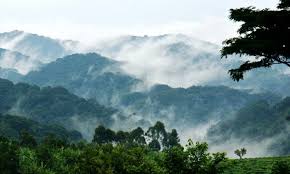
Uganda enjoys a tropical climate with two rainy seasons. The southwest receives heavy rainfall supporting dense rainforests, while the northeast experiences semi-arid conditions with acacia savannas. This climatic diversity creates distinct ecosystems and wildlife habitats.
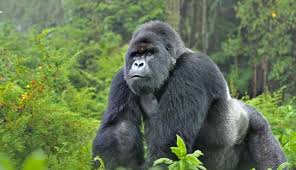
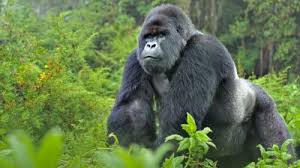
Home to nearly half of the world's remaining mountain gorillas, this UNESCO World Heritage Site offers unforgettable gorilla trekking experiences.
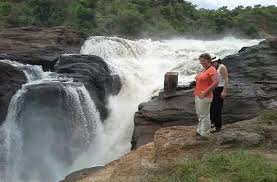
Where the Nile River forces its way through a narrow gorge and plunges 43 meters, creating one of Africa's most powerful waterfalls.
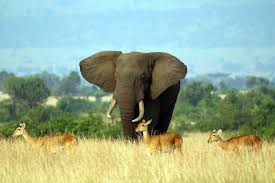
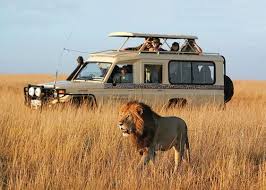
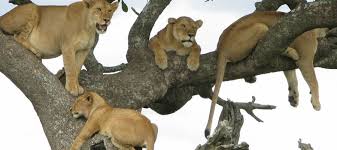
Uganda's most visited park with diverse ecosystems including savanna, wetlands, and forests, famous for its tree-climbing lions.
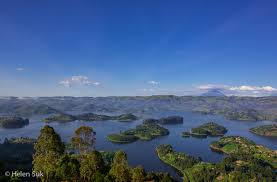
Africa's second deepest lake, known as "the place of many little birds," with stunning terraced hills and 29 islands.
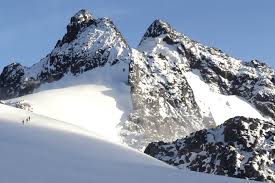
The fabled "Mountains of the Moon" with permanent snow and glaciers near the equator, offering challenging trekking routes.
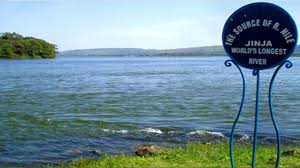
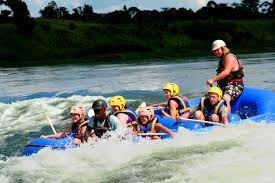
Where the world's longest river begins its journey, offering white-water rafting, bungee jumping, and boat cruises.
Uganda gained independence from Britain in 1962. Since then, the country has experienced political turbulence including coups, dictatorships, and civil wars before stabilizing in the late 1980s under the current government.
The political landscape has been dominated by the National Resistance Movement (NRM) since 1986, with President Yoweri Museveni serving as the head of state since then.
Headed by the President who is both head of state and government. The Cabinet is appointed by the President from among elected legislators.
The Parliament of Uganda is unicameral with 529 members. It includes representatives elected by universal suffrage and special interest groups.
Independent judiciary headed by the Chief Justice. The court system includes the Supreme Court, Court of Appeal, High Court, and magistrates' courts.
| President | Term | Key Events |
|---|---|---|
| Milton Obote | 1962-1971 | First post-independence leader, overthrown in coup |
| Idi Amin | 1971-1979 | Military dictatorship, human rights abuses |
| Milton Obote | 1980-1985 | Returned to power, civil war |
| Yoweri Museveni | 1986-present | Longest serving president, economic growth but criticized for democratic backsliding |
Recent elections have been marred by allegations of irregularities, internet shutdowns, and opposition suppression. Constitutional amendments have removed presidential age limits.
Uganda ranks poorly on corruption indices, with public sector corruption affecting service delivery. Anti-corruption efforts have had limited success.
Controversial laws like the Anti-Homosexuality Act have drawn international condemnation. Restrictions on press freedom and assembly are ongoing concerns.
Uganda plays key roles in regional peacekeeping but has tensions with neighbors over refugees, trade, and security issues.
Uganda has one of the youngest and fastest-growing populations in the world, with a median age of 16.7 years. Over 78% of the population is under 30, presenting both opportunities and challenges for development.
While the economy has grown steadily, wealth distribution remains uneven, with significant disparities between urban and rural areas.
72% of workforce
Main crops: coffee, tea, cotton, maize
11% of workforce
Main sectors: construction, manufacturing
17% of workforce
Main sectors: trade, transport, tourism
1.2M riders
Key urban transport sector
Uganda implemented Universal Primary Education (UPE) in 1997 and Universal Secondary Education (USE) in 2007, significantly increasing enrollment.
Challenges remain in quality, with high pupil-teacher ratios and low completion rates, especially for girls in rural areas.
Public healthcare is theoretically free but often lacks medicines and personnel. Private healthcare is expensive for most Ugandans.
Major health challenges include malaria, HIV/AIDS (prevalence 5.2%), maternal mortality, and emerging non-communicable diseases.
Uganda is home to over 50 distinct ethnic groups, each with its own traditions, languages, and cultural practices. The major groups include:
16.5% of population, Central region, Buganda Kingdom
9.6% of population, Western region, Ankole Kingdom
8.8% of population, Eastern region, Busoga Kingdom
4.4% of population, Northern region
6.0% of population, Eastern region, Teso sub-region
2.7% of population, Northwestern region, West Nile
2.4% of population, Northeastern region, Karamoja
3.5% of population, Northwestern region, West Nile
1.2% of population, Eastern region, Mount Elgon
2.9% of population, Western region, Bunyoro Kingdom
7.1% of population, Southwestern region, Kigezi
1.8% of population, Northeastern region, Karamoja
1.7% of population, Eastern region, Busoga
1.1% of population, Western region, Rwenzori
0.9% of population, Western region, Rwenzori
~15% of population, various smaller ethnic groups
English is the official language, while Swahili is promoted as a regional lingua franca. Luganda is widely spoken in central Uganda.
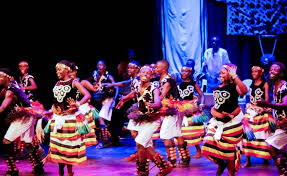
Traditional dances like the Baganda's Amagunjju and Banyankole's Ekitaguriro feature elaborate costumes and drumming.
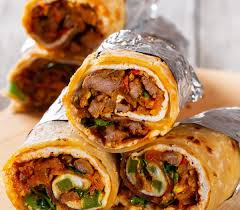
Staple foods include matooke (steamed bananas), posho (maize flour), beans, and groundnut sauce. Rolex (chapati with eggs) is a popular street food.
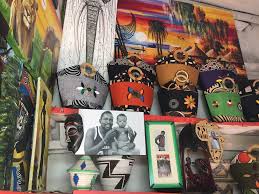
Traditional crafts include bark cloth making, basket weaving, and wood carving. Contemporary Ugandan artists blend traditional and modern styles.
85% of population (39% Catholic, 32% Anglican, 11% Pentecostal, 3% other)
14% of population, mostly Sunni with small Shia minority
1% practice indigenous beliefs or other religions
Greetings are important in Ugandan culture. Handshakes are common, often lasting longer than in Western cultures. It's polite to inquire about family and health.
It's customary to wash hands before eating, as many foods are eaten by hand. Guests are often served first, and refusing food can be seen as impolite.
Modest dress is appreciated, especially in rural areas and religious settings. Women often wear gomesi (traditional dress) for formal occasions.
Extended family is central to Ugandan society, with strong obligations to relatives. Elders are highly respected and often involved in decision-making.
Bwindi Impenetrable Forest and Mgahinga Gorilla National Park offer once-in-a-lifetime encounters with mountain gorillas.
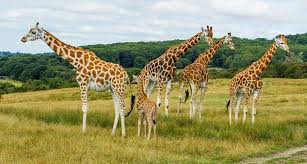
Queen Elizabeth, Murchison Falls, and Kidepo Valley National Parks offer exceptional game viewing with fewer crowds than East African neighbors.
Jinja offers world-class white-water rafting, bungee jumping, kayaking, and boat cruises at the source of the Nile River.
Range from luxury lodges ($300+/night) to budget hostels ($10/night). Kampala has international chains, while parks feature eco-lodges.
International cuisine available in cities. Try local dishes like luwombo (steamed meat/veg in banana leaves) or katogo (matooke stew).
Domestic flights connect major parks. Private hire cars and boda bodas (motorcycle taxis) are common in cities. Tour operators offer packages.
Most visitors need a visa ($50 single entry). Available on arrival or online through Uganda's e-visa system.
Yellow fever vaccination required. Malaria prophylaxis recommended. Drink bottled water and avoid raw vegetables.
Generally safe for tourists. Exercise normal precautions. Avoid political gatherings and border areas with DRC/South Sudan.
Bwindi & Mgahinga
Queen Elizabeth NP
Ishasha Sector
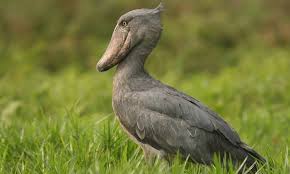
Mabamba Swamp
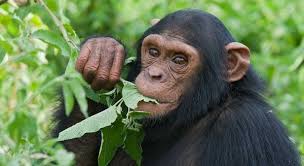
Kibale Forest
Murchison Falls
Rwenzori Mountains
Lake Victoria
Uganda loses about 90,000 hectares of forest annually due to agriculture, charcoal production, and settlement.
Despite anti-poaching efforts, bushmeat trade and ivory poaching remain threats to wildlife populations.
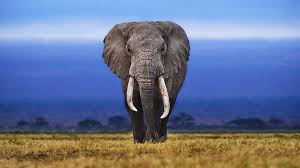
Crop raiding by elephants and other animals leads to conflicts with local communities near protected areas.
Election violence, opposition suppression, and restrictions on civil liberties continue to challenge Uganda's democratic development.
Historical grievances between northern and southern groups, and land disputes between pastoralists and farmers create periodic conflicts.
Erratic rainfall, droughts, and floods threaten agriculture which employs 72% of Ugandans, increasing food insecurity.
83% of unemployed Ugandans are youth (18-30 years), creating social tensions despite economic growth.
Despite progress, women face higher illiteracy rates (23% vs 14% for men), gender-based violence, and underrepresentation in politics (34% of parliament).
Malaria causes 27% of deaths. HIV prevalence is 5.2%. Maternal mortality remains high at 336 deaths per 100,000 live births.
While enrollment has increased, only 30% of P3 pupils can read a P2 level story. Teacher absenteeism averages 30%.
Mobile money adoption is high with services like MTN Mobile Money and Airtel Money. Digital banking and fintech startups are growing rapidly.
Value addition to agricultural products, organic farming, and export opportunities in coffee, tea, and horticulture.
Solar power adoption, hydroelectric potential, and green energy initiatives are creating new business opportunities.
Supporting tech startups and entrepreneurs with mentorship, funding, and workspace in Uganda's capital.
Makerere University and other institutions are developing programs to support student entrepreneurship and innovation.
Uganda's young population, strategic location, and natural resources position it well for future growth. Key areas of potential include: